The Allure of Chance
The psychology behind casino gaming is intricately tied to the concept of chance. Gamblers are often drawn to the unpredictability of games, which creates an exhilarating environment. The thrill of potentially winning a substantial sum of money spurs players to try their luck repeatedly. This sense of anticipation taps into a primal instinct, pushing individuals to take risks in hopes of tangible rewards. Visiting online platforms like https://trialbytimeline.org.nz/ can provide insights into these gaming behaviors.
Moreover, the unpredictability of casino games can lead to what’s known as the “Gambler’s Fallacy.” Many players believe that previous outcomes affect future results, leading them to make decisions based on flawed logic. This belief system reinforces their willingness to engage with the games, often leading to prolonged gaming sessions. The more they play, the deeper their psychological investment becomes, fueling an often unyielding cycle of excitement and risk.
The Role of Environment in Gaming
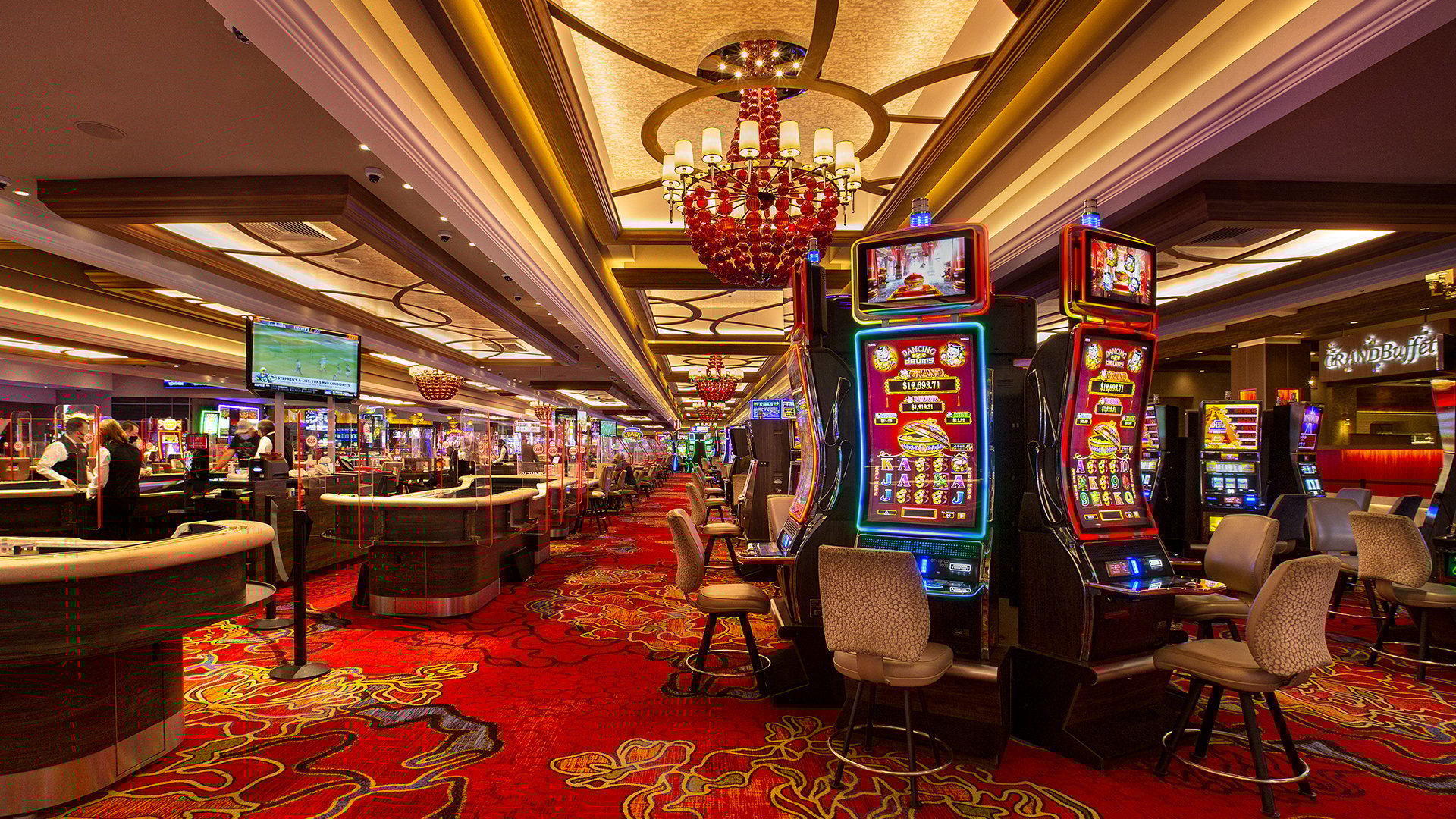
Casinos are meticulously designed to create a psychological space that encourages gambling. Factors such as lighting, sound, and scent are strategically employed to enhance the atmosphere. Bright, flashing lights and engaging sounds stimulate the senses, making environments feel lively and inviting. This immersive experience capitalizes on sensory stimulation to keep players engaged and focused on the next bet.
Additionally, the layout of a casino is designed to create a sense of disorientation. This can make it challenging for players to track time and money spent, leading to longer visits. The absence of clocks and windows prevents players from gauging how long they have been in the casino, further immersing them in the experience. Such environmental factors play a crucial role in sustaining interest and inflating the time and money players are willing to invest.
The Social Aspect of Gambling
Gambling is not just an individual activity; it is often a social experience. Many players enjoy the camaraderie that develops while gambling, whether at a table game or while participating in slot machine activities. This social aspect can enhance enjoyment, as players share stories, strategies, and cheers of victories or commiserate losses. Social interactions can influence decision-making and betting behavior, potentially driving players to wager more than they initially intended.
The dynamic of group gaming is also amplified by competitive spirits. Players often seek validation from peers, leading to a heightened sense of community within the casino. This social bond can make individuals less aware of their gambling habits, as they prioritize the experience over individual spending habits. The combination of social interaction and the thrill of the game fosters a unique ambiance that keeps players returning for more.
Addictive Behaviors and Casino Gaming
The potential for addiction in casino gaming is a significant psychological concern. The thrill of winning can create a feedback loop similar to that of substance addiction, where the brain releases dopamine, reinforcing the behavior. Players may find themselves chasing losses in hopes of regaining what they have spent, leading to a dangerous cycle of gambling behavior that impacts their finances and personal relationships.
Additionally, certain individuals may have pre-existing psychological predispositions that make them more susceptible to gambling addictions. Factors such as stress, anxiety, and depression can drive people to seek solace in gaming, intending to escape negative emotions. Understanding these psychological triggers is crucial for both players and those around them to recognize the signs of problematic gambling behavior and to seek help if needed.

Ensuring Responsible Gaming Practices
The responsibility of fostering a safe gaming environment falls not only on the players themselves but also on the casino operators. Many casinos are increasingly implementing measures to promote responsible gaming. This includes providing resources for players to understand their habits and offering self-exclusion programs to help individuals manage their gambling behavior effectively.
Additionally, casinos are employing technology to monitor gambling patterns and detect unusual behaviors that may indicate a player’s struggle with addiction. By prioritizing player safety and well-being, these establishments aim to create a balanced approach to gaming that fosters enjoyment while mitigating the risks associated with gambling.