Understanding the psychology behind gambling behavior in casinos
The Allure of Casinos
Casinos are designed to captivate and entice individuals, leveraging various psychological principles that enhance the gambling experience. The vibrant lights, enticing sounds, and strategically placed gaming machines create an immersive environment that appeals to the senses. This carefully crafted atmosphere is not just coincidental; it is a deliberate strategy to foster excitement and prolong engagement. Players often find themselves enveloped in a euphoric state, making it easy to lose track of time and money. For those looking to learn more, you can explore here about the nature of these establishments.
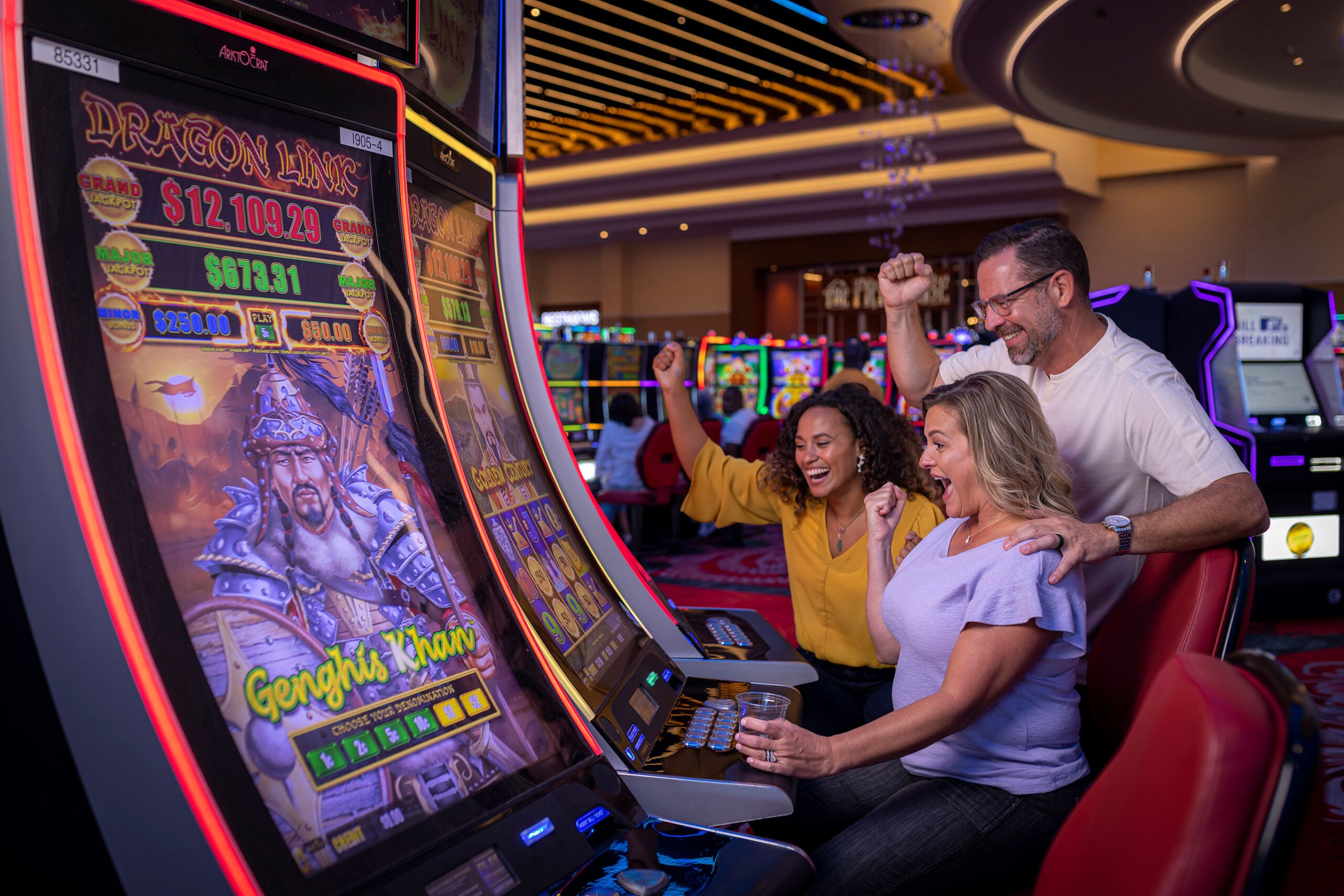
Moreover, the use of colors and sounds in casinos plays a significant role in influencing behavior. Bright colors and upbeat music trigger positive emotions, encouraging individuals to gamble more. The psychological concept of “near misses,” where players come close to winning but ultimately lose, further reinforces a sense of hope and motivation to continue playing. This illusion of control and potential victory can lead to prolonged gambling sessions, despite financial losses.
The Role of Emotion in Gambling
Emotions play a crucial part in gambling behavior, with many players driven by the highs and lows of the experience. Winning can trigger feelings of elation, while losing may lead to frustration or disappointment. These emotional responses can create a cycle where players chase their losses, believing that a big win is just around the corner. This phenomenon, known as “loss chasing,” often results in players betting more than they originally planned, leading to even greater losses.
Furthermore, gambling can serve as an emotional escape for individuals dealing with stress, anxiety, or depression. For some, the thrill of gambling provides a temporary distraction from life’s challenges, reinforcing the behavior despite its potential negative consequences. Understanding this emotional connection can shed light on why individuals may engage in risky gambling behavior, even when they recognize the odds are against them.
The Impact of Social Influence
The social aspect of gambling cannot be overlooked, as it significantly affects individual behavior. Casinos often foster a communal atmosphere, where players share experiences, celebrate wins, and commiserate over losses together. This social reinforcement can amplify the excitement of gambling, leading to increased participation. Social pressures, whether from friends or even strangers at the table, can encourage individuals to gamble more than they might otherwise choose to do.
Moreover, many players are influenced by the actions of others around them. Observing someone else win a jackpot can evoke feelings of envy and competitiveness, prompting individuals to increase their bets or try new games. This social validation can create a sense of belonging, as individuals feel part of a larger community of gamblers, further entrenching their gambling habits.
The Mechanisms of Addiction
Gambling can lead to addiction, a condition that affects many individuals across various demographics. The neurobiological mechanisms behind gambling addiction are similar to those seen in substance abuse disorders. The release of dopamine in the brain during gambling creates feelings of pleasure and reward, which can be highly addictive. Over time, individuals may seek to replicate these feelings, leading to increased gambling behavior.
Recognizing the signs of gambling addiction is essential for both individuals and their loved ones. Symptoms may include an inability to cut back on gambling, lying about one’s gambling habits, or neglecting responsibilities. Understanding these behaviors can help in seeking appropriate treatment options and support systems, paving the way for recovery and healthier lifestyle choices.
Enhancing Your Gaming Experience
For those interested in gambling, it’s essential to approach it with a clear understanding of the psychological factors at play. This knowledge can empower players to make informed decisions and engage in gambling responsibly. Many online platforms and casinos are now focusing on responsible gaming practices, offering tools and resources to help individuals manage their gambling behavior.
By educating oneself about the psychological aspects of gambling, players can cultivate a healthier relationship with their gaming habits. Prioritizing entertainment over financial gain, setting limits, and recognizing the signs of problematic gambling can significantly enhance the overall gaming experience while ensuring safety and enjoyment.